OFFC II
Collaborative Insights: Highlights from the 2nd Office Facilities Consultants Conference (OFCC 2)
NEWCOLLABCOLLAB
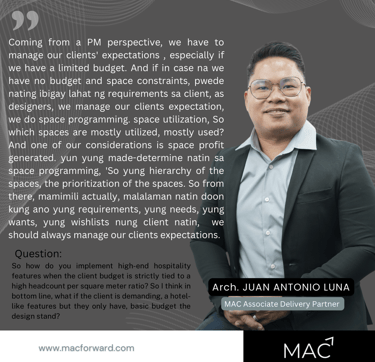
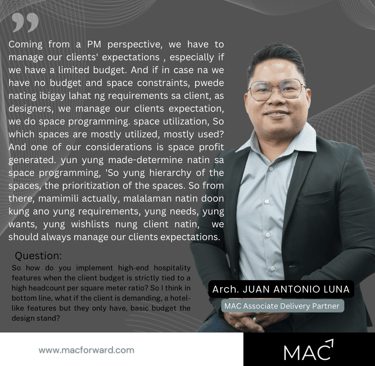
Arch. Juan Antonio Luna followed with a call for simplicity and balance. He advocated for a streamlined design process and urged designers to arm themselves with project management skills. His philosophy? A beautiful design only succeeds if it can survive the pressures of budget and timeline.
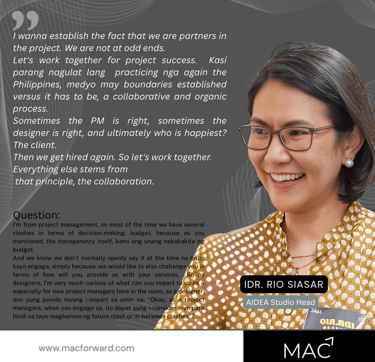
“Coming from a PM perspective, we have to manage our clients' expectations , especially if we have a limited budget. And if in case na we have no budget and space constraints, pwede nating ibigay lahat ng requirements sa client, as designers, we manage our clients expectation, we do space programming. space utilization, So which spaces are mostly utilized, mostly used? And one of our considerations is space profit generated. yun yung made-determine natin sa space programming, 'So yung hierarchy of the spaces, the prioritization of the spaces. So from there, mamimili actually, malalaman natin doon kung ano yung requirements, yung needs, yung wants, yung wishlists nung client natin, we should always manage our clients expectations”.
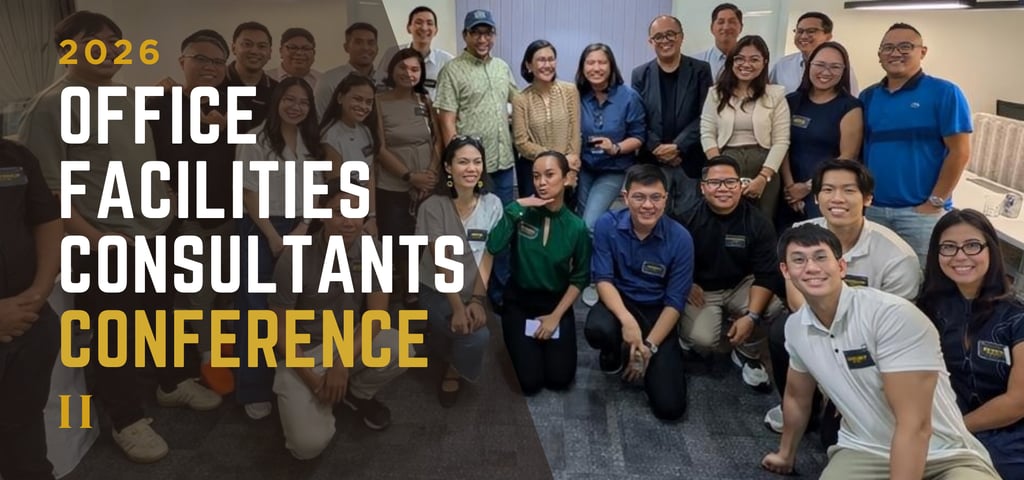
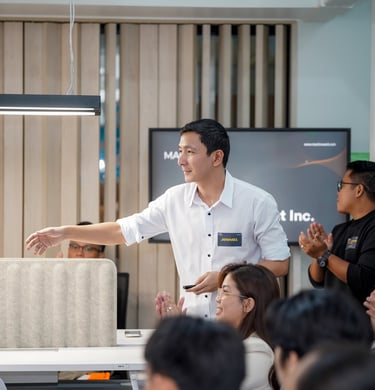
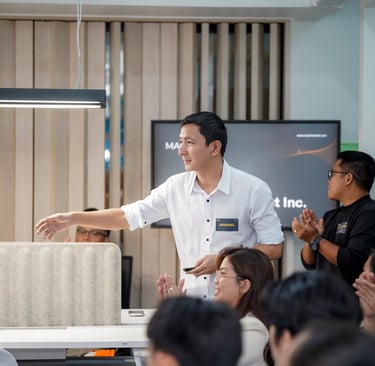
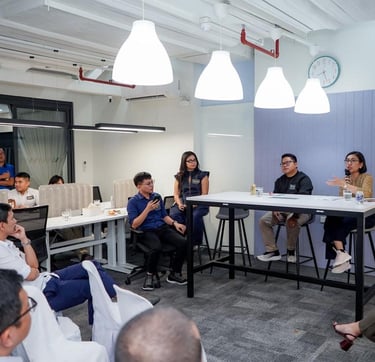
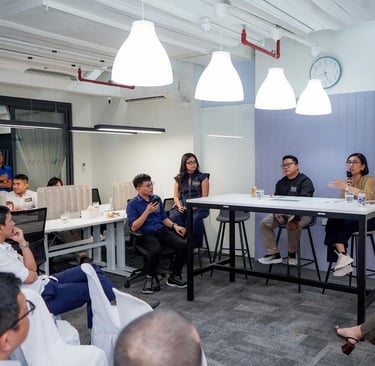
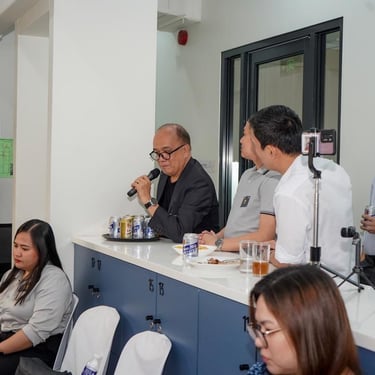
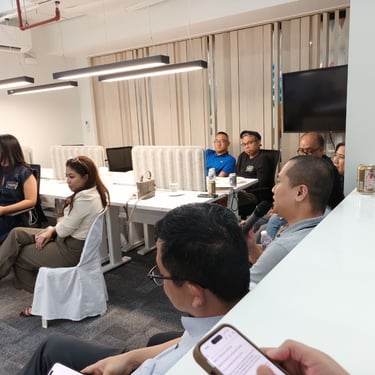
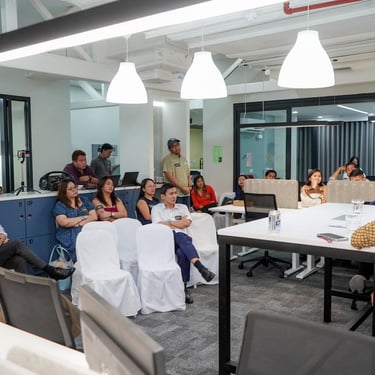
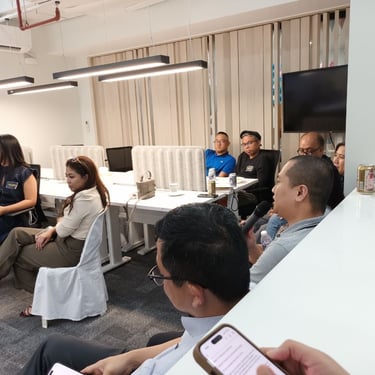
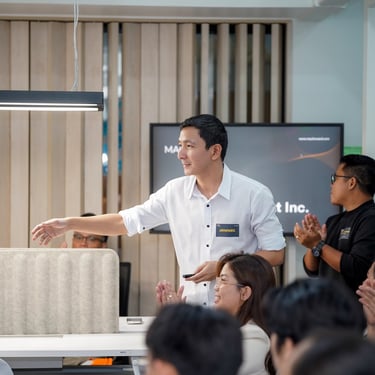
The industry conversation just got a lot more personal. On April 29, 2026, the halls of What Matters Coworking + Playlab in Greenhills, San Juan, were buzzing with more than just the usual networking chatter. It was the site of the Office Facilities Consultants Conference (OFCC) 2, a gathering hosted by MAC Management Inc. and What Matters Coworking + Playlab that proved once and for all that the best insights often come from a "high table" and a relaxed atmosphere.
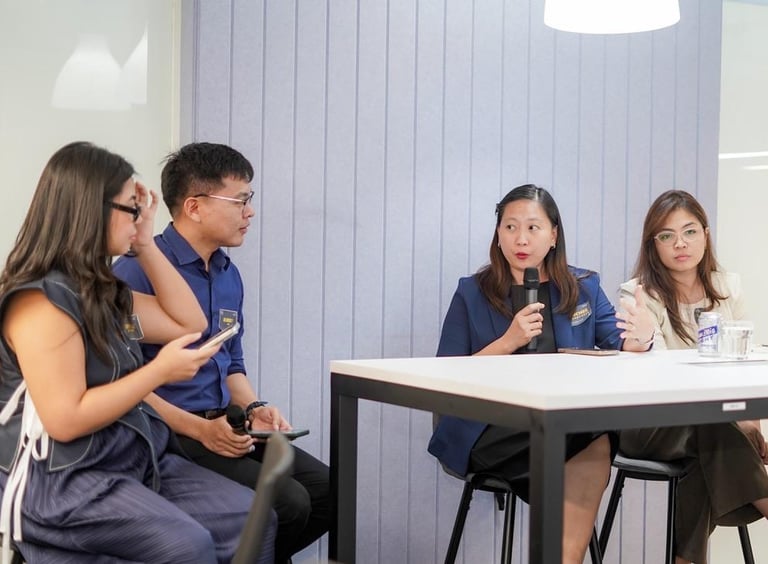
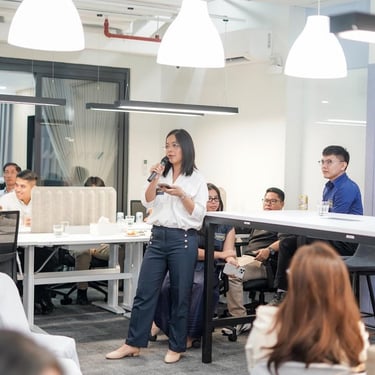
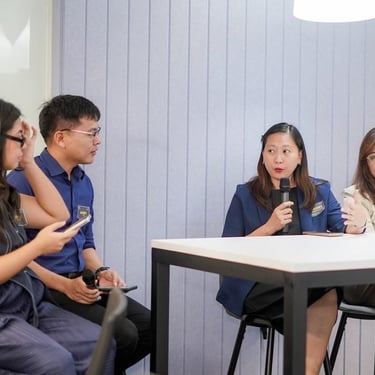
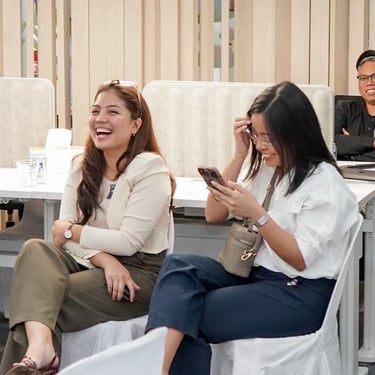
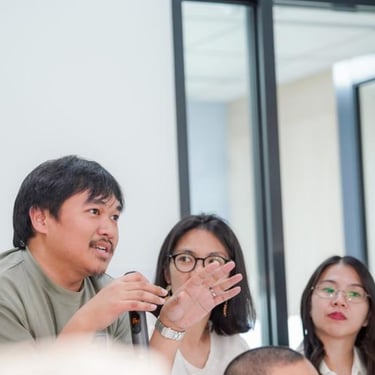
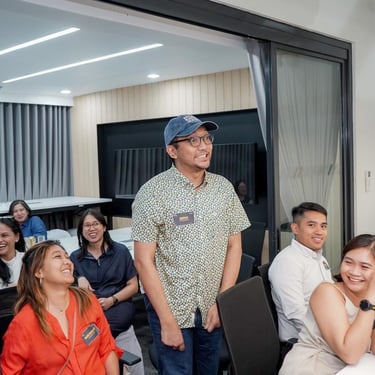
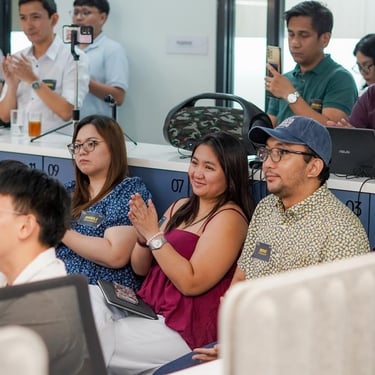
The event broke the traditional conference mold, favoring informal, interactive discussions over rigid presentations. Facilities professionals, project managers, and designers sat down together to pull back the curtain on the realities of the trade.
Setting the Stage: Stories from the Trenches
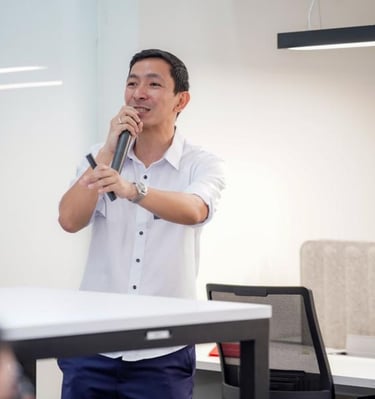
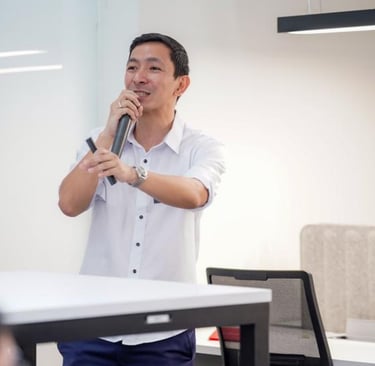
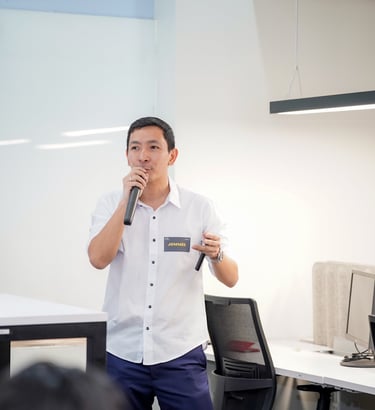
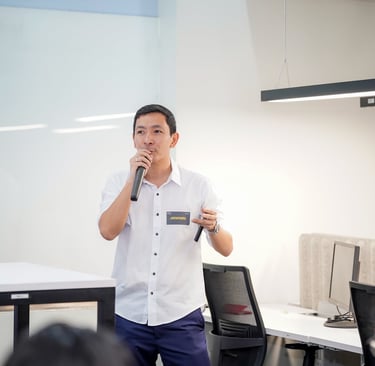
Engr. Jommel Macabagdal, PMP, CDCP, opened the event with a refreshing dose of honesty. He noted that while Project Managers, Workplace Designers, and Facilities Managers are the backbone of any workspace, they aren't always the ones in the spotlight sharing their journey.
“I know we have stories to tell, whether good or bad, that we can learn from each other; and even other industries can learn from us,”
Engr. Macabagdal shared. “This event is created in order for us to share success and failure in an informal, interactive way—with a little alcohol.”
The goal was simple but ambitious: to shift the culture of project delivery. As he introduced MAC Management’s 2026 Office Fit-out Guide, he challenged the diverse crowd of brokers, property managers, and designers to “aim to be a solution and not add to the problem.”
Panel 1: The Human Element vs. Technical Precision
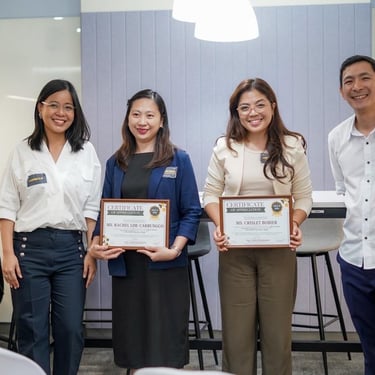
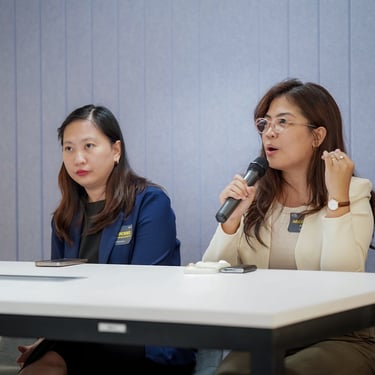
The first deep dive featured Ms. Crislet Bobier (Ford Land Market Lead) and Ms. Rachel Lim-Carbungco (OCS Area Manager), offering a fascinating look at the "soft" and "hard" sides of management.
Ms. Crislet Bobier championed the human side of the business. She detailed her strategies for securing stakeholder buy-in by focusing on positive intent and the genuine welfare of employees.
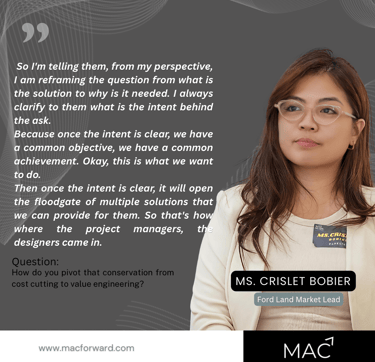
“So I'm telling them, from my perspective, I am reframing the question from what is the solution to why is it needed. I always clarify to them what the intent behind the ask. Because once the intent is clear, we have a common objective, we have a common achievement. Okay, this is what we want to do. Then once the intent is clear, it will open the floodgate of multiple solutions that we can provide for them. So that's how the project managers, the designers came in’’.
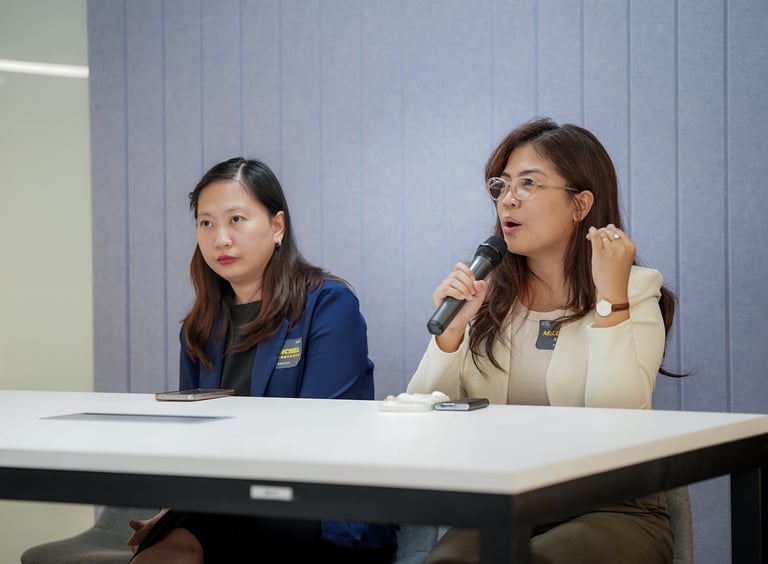
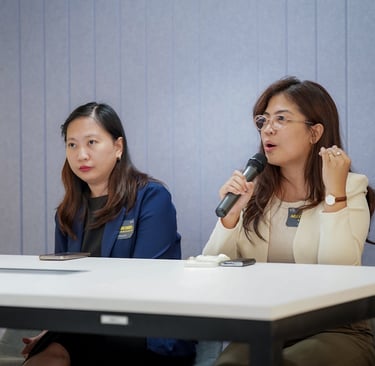
Complementing this, Rachel Lim-Carbungco shifted the focus to the practicalities of keeping an office running like a well-oiled machine. She emphasized that a facility manager is only as strong as their network, highlighting the immense value of trusted partners and a robust supply chain.
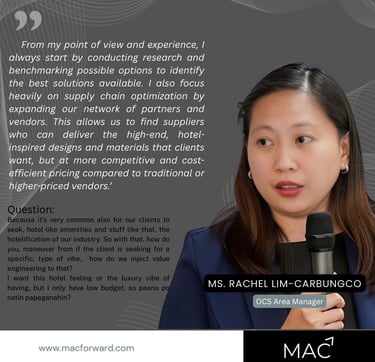
“From my point of view and experience, I always start by conducting research and benchmarking possible options to identify the best solutions available. I also focus heavily on supply chain optimization by expanding our network of partners and vendors. This allows us to find suppliers who can deliver the high-end, hotel-inspired designs and materials that clients want, but at more competitive and cost-efficient pricing compared to traditional or higher-priced vendors’’.
Panel 2: Where Culture Meets Design Strategy
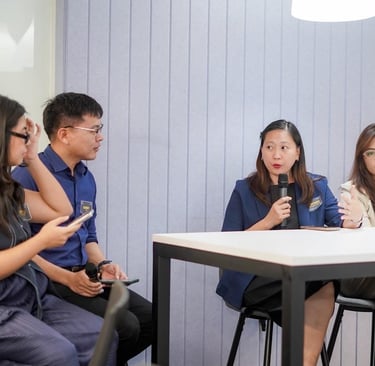
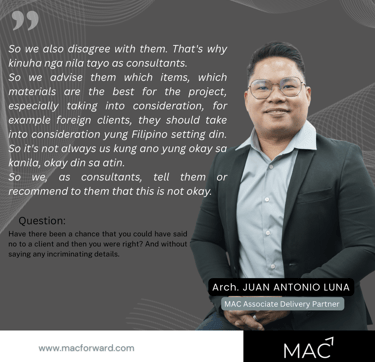
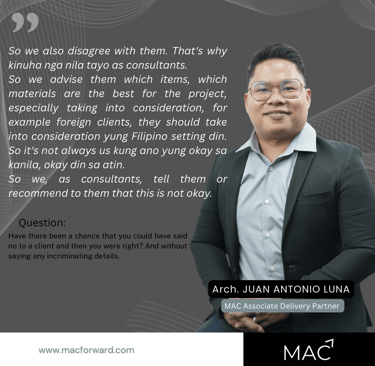
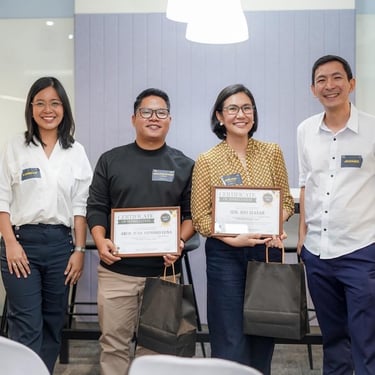
The second session brought a global perspective to the table with IDr. Rio Siasar (AIDEA Interior Design Head) and Arch. Juan Antonio ‘Toto’ Luna (MAC Associate Delivery Partner).
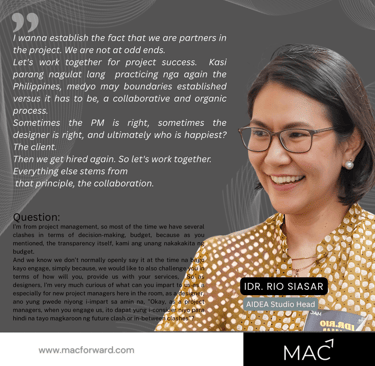
IDr. Rio Siasar discussed the delicate art of blending multinational design standards with local Filipino culture. Having previously worked in Singapore, she provided a unique comparative look at how project delivery differs across borders.
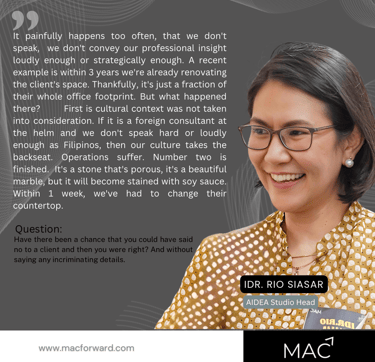
“It painfully happens too often, that we don't speak, we don't convey our professional insight loudly enough or strategically enough. A recent example is within 3 years we're already renovating the client's space. Thankfully, it's just a fraction of their whole office footprint. But what happened there? First is cultural context was not taken into consideration. If it is a foreign consultant at the helm and we don't speak hard or loudly enough as Filipinos, then our culture takes the backseat. Operations suffer. Number two is finished. It's a stone that's porous, it's a beautiful marble, but it will become stained with soy sauce. Within 1 week, we've had to change their countertop”.
Stay tuned for more updates and insights from the MAC Management team as we continue to redefine the workplace.
Looking Ahead: Growth Through Collaboration
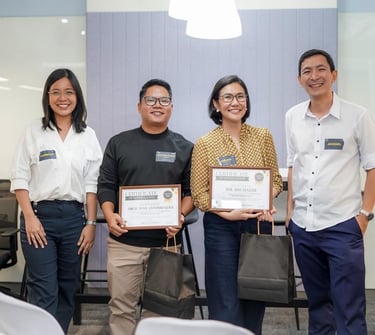
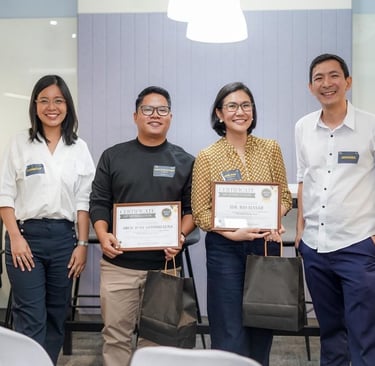
The afternoon concluded with closing remarks from Anna Camille Macabagdal, who expressed gratitude to the organizers, the participants, and the lively moderation of hosts Zuyuska Bennett and Harry Im.
The takeaway was clear: the office facilities industry is evolving, and it’s no longer enough to work in silos. By sharing the "messy" parts of the job—the failures as well as the wins—the community is building a stronger, more collaborative foundation for 2026 and beyond.

MAC Management Inc.
Professionally Simplified Project Management
© 2025. All rights reserved.